 The Value of Your Water | WaterOne
NutritionDo you drink a Water Gallon one day have benefits? Hydration needs are very individual and depend on many factors, including body size and level of activity. Many people follow rule 8×8, which recommends drinking eight 8 ounce glasses (237 ml), or approximately half gallon (1.9 liters), of water daily. However, many believe that there are strong health benefits that can be obtained by increasing their water consumption to a full gallon (3.8 liters) per day. This article examines the general recommendations for water consumption and the potential benefits and consequences of drinking a gallon of water a day. Perhaps surprisingly, about 60% of your body is water (). Drinking enough water plays an important role in keeping your body healthy and working properly. For example, water is involved in body temperature management, nutrient loading and oxygen to your cells, and the protection of vital organs and tissues (, , ). Water is also needed for the excretion of waste products, joint lubrication and keeping the tissues in your eyes, mouth and nose healthy and wet (, ).In fact, almost all the main systems in your body depend on the water to function properly. Summary Water is essential for vital functions such as bringing oxygen to your cells and regulating body temperature. Water is essential for vital functions such as bringing oxygen to your cells and regulating body temperature. The water balance is essential to the health and proper functioning of your body. Keeping hydrated is critical, but hydration needs are very individual, so the same recommendations cannot be applied to all. For example, activity level, body size, and how much sweat are all factors that influence your water and hydration needs. Your body knows when you're dehydrating. When your water content decreases, your body tells your brain when and how much to drink — a process known as thirst. For most people, drinking when you feel thirsty and stopping when your thirst is off is a reliable way to keep the hydration proper (, ). To date, there are very limited research to demonstrate that drinking more than your hydration requirements benefits your health (, ). Since there is lack of evidence and many factors affect individual hydration needs, drinking a gallon (3.8 liters) of water per day is likely arbitrary and unnecessary, unless your body requires proper water. Summary While drinking enough water and maintaining hydration is important, there are limited research to support the drink beyond the point of turning off your thirst. While drinking enough water and maintaining hydration is important, there are limited research to support the drink beyond the point of turning off your thirst. may vary depending on your sex, age, medical condition and level of activity. Adults Most adults sufficiently satisfy their liquid needs by letting thirst be their guide. While there are no specific recommendations on how many glasses of water should drink most adults a day, the Institute of Medicine (IOM) makes recommendations for total water intake. IOM suggests that most women meet their hydration needs by consuming 78 ounces (2.3 litres) of total water a day, both of drinks and of food, while most men meet their hydration needs by consuming 112 ounces (3.3 litres) a day (). It should be noted that people living in hot weather tend to experience increased sweat loss and may need to increase their water consumption to stay properly hydrated. Athletes Prolonged physical activity increases water loss through sweat. It is estimated that athletes lose about 6 to 10% of their body weight through sweat during prolonged athletic events. However, a 2% water loss can only have a notable effect on athletic performance (). There is no exact recommendation of how much more water athletes need to drink to maintain hydration. Therefore, if you are an athlete or work at high intensity and tends to sweat, you plan to replenish your losses with greater fluid consumption during and after the activity. Pregnant or nursing women Women who are or are breastfeeding have significantly increased water needs. According to the European Food Safety Authority (EFSA), fluid needs are increased by 10 ounces (300 ml) per day during pregnancy (). In addition, it is important that breastfeeding mothers compensate for the loss of milk-related water. EFSA recommends that breastfeeding mothers increase their water consumption by approximately 24 ounces (700 ml) a day () A general recommendation for nursing mothers is to drink a glass of water with each meal and during breastfeeding to help meet their fluid needs (). Other considerationsCertain medical conditions may require a restricted water intake to prevent fluid overload, which is when you have too much fluid in your body. Contrary to this, other medical conditions can increase your water needs. Congestive heart failure, end-stage kidney disease (ESRD) and people suffering dialysis are some of the most common medical conditions that require fluid restriction (, ). Other conditions such as urinary tract infections (UTIs), and fever may require increased fluid intake (, , ). It is best to consult your healthcare provider for personalized recommendations about your liquid needs. Abstract Water consumption recommendations vary according to many factors, including gender, age, level of activity and medical condition. Water consumption recommendations vary according to many factors, including gender, age, level of activity and medical condition. Drinking smooth water is not the only way to meet your liquid needs. It is important to remember that the water of other fluids, such as juice, milk and tea, has regarding the daily intake of liquid. Food water also contributes to its daily intake of liquid, especially fruits and vegetables with high water content, such as melon, and cucumbers (, ).On average, adults receive about 80% of their intake of liquid water, while the other 20% comes from food (). Abstract Other liquids and water found in foods also contribute to their daily consumption of water. Other liquids and water found in foods also contribute to their daily water consumption. There are many benefits associated with drinking enough water. That said, it is estimated that 16-28% of adults do not meet their daily fluid needs (). The following are some of the many :Summary There are many benefits of drinking enough water, including improved physical performance, prevention of headaches and improvement of brain function, skin health and intestinal regularity. There are many benefits of drinking enough water, including improved physical performance, prevention of headaches and improvement of brain function, skin health and intestinal regularity. While drinking a gallon of water per day can be appropriate for some people, it can be too much for others. A good way to know if you need to increase water intake is to look at your urine. The urine that is dark yellow to amber can indicate dehydration, while the urine that is pale yellow means that you are properly hydrated (). Dry or sticky mouth, headaches, skin, or cracked lips, and muscle cramps are also common symptoms of dehydration that can improve if daily intake of water increases (, , ). Although water toxicity is rare in adults, drinking an extreme amount of water in a short time can be dangerous. Drinking too much water quickly can make your sodium levels fall too low. This is known as hyponatremia, which can be serious and even fatal (). However, most adults would have to drink a huge amount of water quite quickly for this to happen. Cases of hyponatremia that threatens life in adults who drink between 200 to 320 ounces (6 to 9.5 liters) have been reported for a few hours (, ). This is an extreme amount of water that would be uncomfortable to tolerate. To stay hydrated and avoid water poisoning, it is better to listen to your body. As a general recommendation, drink when you feel thirsty and stop drinking when your thirst goes off. Summary Drinking a gallon of water per day can work for some people but it could be harmful to others. Although rare, drinking too much water too fast can cause sodium levels in your blood to fall too low, causing a dangerous condition called hyponatremia. Drinking a gallon of water per day can work for some people but it could be harmful to others. Although rare, drinking too much water too fast can cause sodium levels in your blood to fall too low, causing a dangerous condition called hyponatremia. Ultimately, how much water to drink per day depends on your individual needs. Although there are general guidelines on how much water you should drink, they should be used as a thumb rule. In most cases, it is best to trust your thirst — drink when you thirst and stop when you are not — and use indicators such as urine color to determine whether you are properly hydrated. Read this now.
NutritionBring 8 glasses of water per day: made or fiction? He may have heard of rule 8×8. He says you should drink eight glasses of water of 8 ounces a day. That's half a gallon of water (about 2 liters). This assertion has become something of accepted wisdom and is very easy to remember. But is there truth in this council or is it just a myth? The origin of rule 8×8 The source of rule 8×8 has not been confirmed (). One theory suggests that it may have originated in 1945, when a research organization published a report indicating that the average person needs to consume 1 ml of water for food they consume. For someone who eats a 2,000 calorie diet per day, this adds up to 2,000 ml (about 64 oz), or eight 8 oz glasses. But the report also stated that much of this water could be obtained from the food it consumes. Another probable origin of rule 8×8 is the work of a nutritionist named Dr. Frederick Stare. He coauthored a book published in 1974 that recommended drinking from six to eight glasses of water per day. The book also noted that fruits and vegetables, as well as other drinks, are high in the water. However, this part of the story seems to have been neglected when the information in this book was disseminated to the public, researchers and health organizations. Basic theme: It is unknown where the recommendation to drink eight glasses of water of 8 ounces per day comes from originally, but a couple of theories exist. It is unknown where the recommendation to drink eight glasses of water of 8 ounces per day comes from originally, but a couple of theories exist. What Studies Say About Rule 8×8 An article of 2002 examined the scientific evidence behind rule 8×8 (). He checked dozens of studies, surveys and articles, finding absolutely no scientific evidence suggesting that you need to drink eight glasses of water of 8 oz per day for the proper intake of water. However, it should be noted that this finding is limited to healthy adults, although mostly sedentary adults living in a mild climate. While there are circumstances in which water needs to increase, healthy men and women generally do not need to consume water in such large quantities. On the other hand, not drinking enough water can cause mild dehydration, defined as the loss of 1–2% of body weight due to fluid loss. In this state, you may experience fatigue, headache and mood (, ).But to stay hydrated and avoid mild dehydration, you do not need to strictly follow the 8×8 rule. Luckily, you have a built-in instinct called thirst. For this reason, most people don't need to worry about their water consumption — silk will tell you when you need water. Basic theme: There is no scientific evidence supporting rule 8×8. Water intake varies according to the individual and you should let your thirst lead your intake. There is no scientific evidence to support rule 8×8. Water intake varies according to the individual and you should let your thirst lead your intake. You can stay hydrated from more Than Water It is not just simple water that supplies your body with water. Other drinks, such as milk and fruit juice, also count. Contrary to popular belief, caffeinated drinks and soft alcoholic beverages such as beer can also contribute to the intake of liquids, at least when consumed in moderation (, , , , , , ).These drinks only become significant diuretics when consumed in large quantities. Diuretics are substances that increase fluid loss by making it urinate more often. Many of the foods you eat also contain significant amounts of water. How much water you get from the food depends on the amount of water-rich food you eat. Fruits and vegetables are particularly rich in water, and foods such as meat, fish and also have relatively high water content. Finally, a certain amount of water is produced within your body when the nutrients are metabolized. This is called metabolic water. In sedentary people, the daily intake of liquids from drinking water and other beverages is estimated at about 70-80%, while food is thought to represent about 20-30% (, ). In the United States, the proportion of water that people get from food intake is estimated at around 20%, much lower than in some European countries. People who receive a low amount of food water need to drink more than those who eat more water-rich foods (). Baseline: In addition to water, other foods and beverages that ingest also contribute to your general daily intake of liquids and help keep it hydrated. Water is also created within your body through metabolism. In addition to the water, other foods and drinks that it ingest also contribute to its general daily consumption of fluids and help keep it hydrated. Water is also created within your body through metabolism. Drinking enough water has some health benefits You need to drink enough water to keep you optimally hydrated. Generally speaking, that means replacing the water you lose through the breath, sweat, urine and feces. Drink enough water, including: Basic theme: Keeping hydration can help in weight loss, help maximize physical performance, ease constipation and more. Staying hydrated can help in weight loss, help maximize physical performance, relieve constipation and more. How much water should you drink every day? There's not a single answer to this question. Appropriate intake (AI) of water in the United States is considered 91 ounces (2.7 liters) per day for women and 125 ounces (3.7 liters) per day for men (). Note that this is the total intake of water from all sources, not just pure water. Although this can be used as a guideline, there are several factors, both within your body and in your environment, that influence your need for water. The size of the body, composition and level of activity vary a lot from person to person. If you are an athlete, live in a hot climate or are currently breast-feeding, your water needs increase. Taking into account all this, it is clear that water needs are very individual. Drinking eight glasses of water per day can be more than enough for some people, but it can be too little for others. If you want to keep things simple, listen to your body and let thirst be your guide. Drink water when you feel thirsty. By the time you're not thirsty anymore. Prepare for fluid loss by drinking more during hot weather and exercise. However, keep in mind that this does not apply to all. Some elderly people, for example, may need to consciously remember themselves to drink water even if they have no thirst. Read this for a more detailed description of . Read this next set of words
How Many Glasses Are in a Gallon of Water?
Drinking a Gallon of Water per Day: Good or Bad?
How many cups in a quart, pint or gallon! (FREE printable)
8 Reasons NOT to Drink 8 Glasses of Water A Day - Butter Believer
How Many Bottles of Water in a Gallon? Learn With Us!
How Many Glasses of Water in a Gallon? | New Health Advisor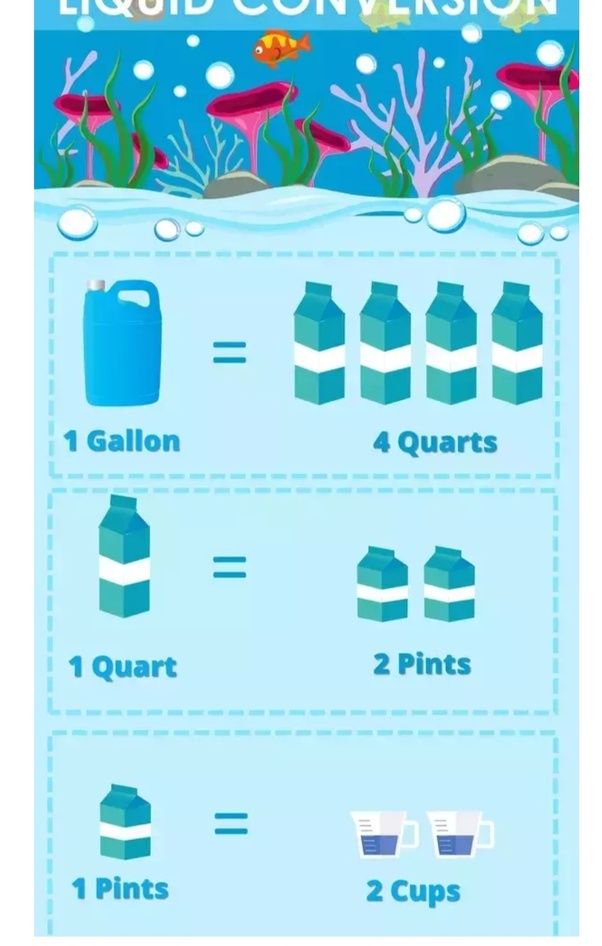
How many ounces are in a gallon? - Quora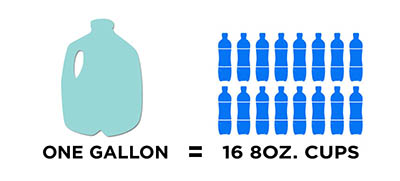
BodySpec - Will Drinking Water Affect My Scan?
How many quarts in a gallon?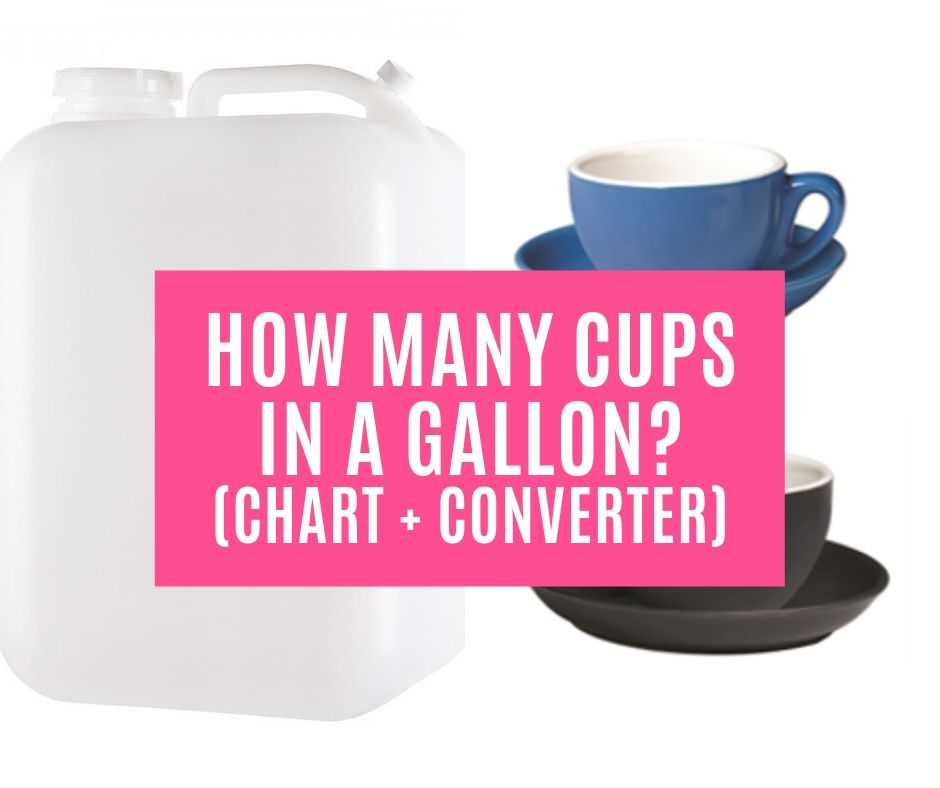
How Many Cups in a Gallon? - The Definitive Guide (With Converter)
How Many Ounces in a Cup, Liter, Pint, Gallon. - Festival Images
How many ounces are in a gallon? - Quora
Calculate How Many Bottles of Water You Need | H2O Coolers
How many ounces in a gallon - howmanyOZ.com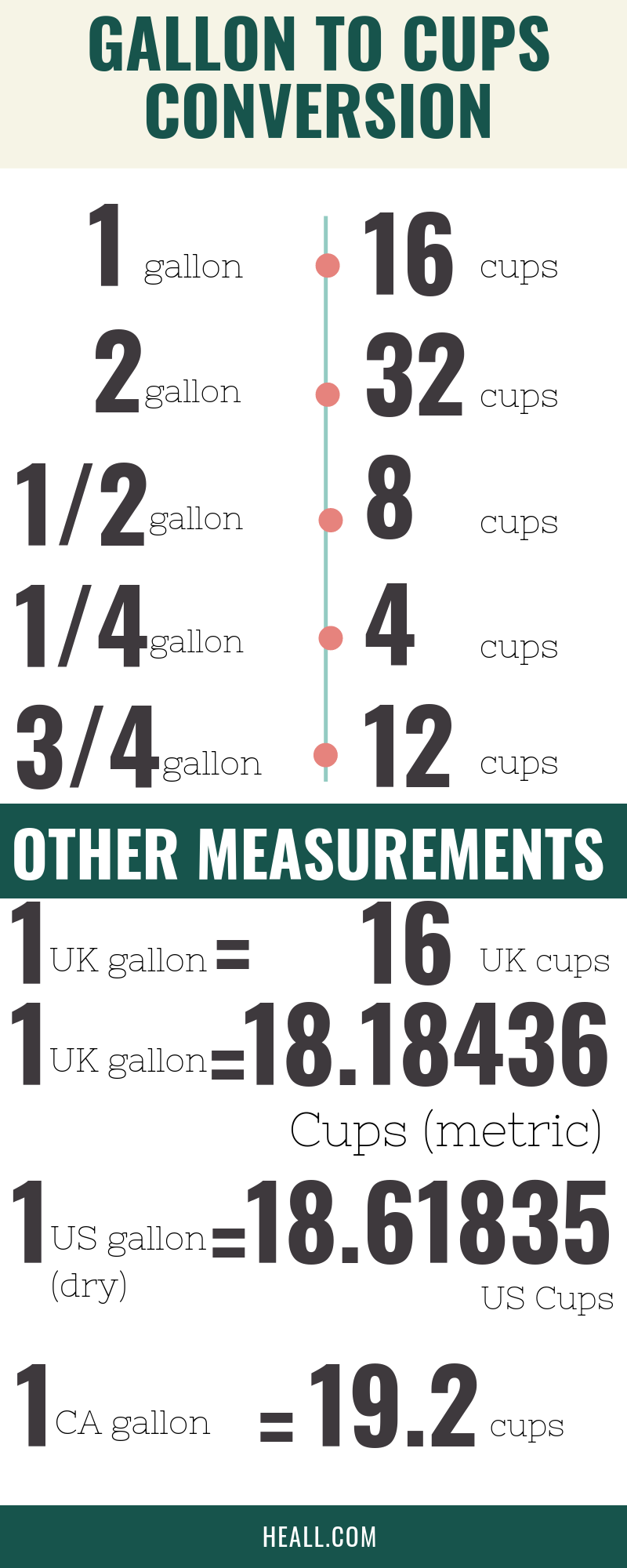
How Many Cups in a Gallon? - The Definitive Guide (With Converter)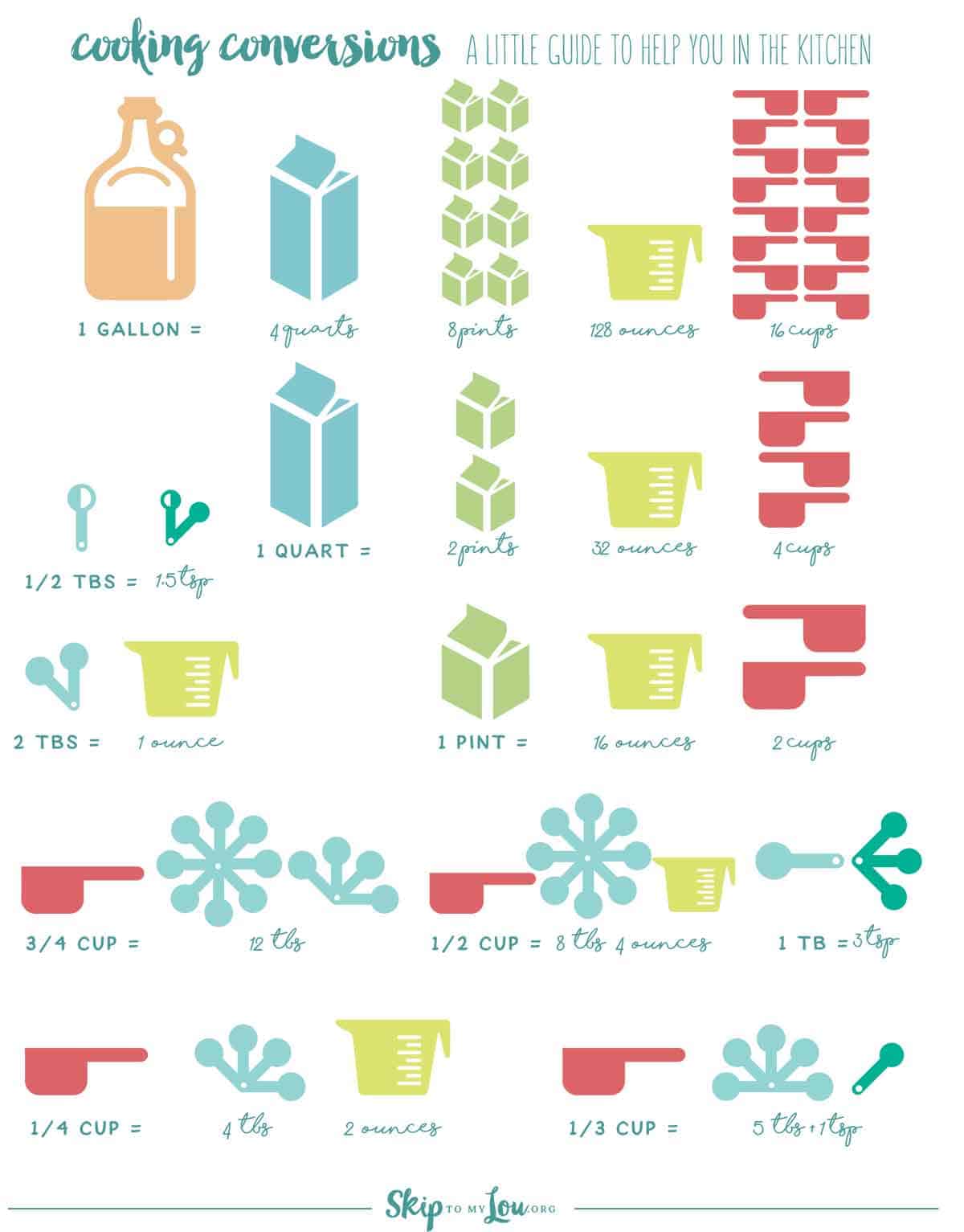
How many cups in a quart, pint, gallon? {FREE Printable chart}
Pin on This BELOVED H.e.a.l.t.h.y LIFE
How much water should you drink? - Earth Day
How Many 16 oz Water Bottles Are In A Gallon? - How To Discuss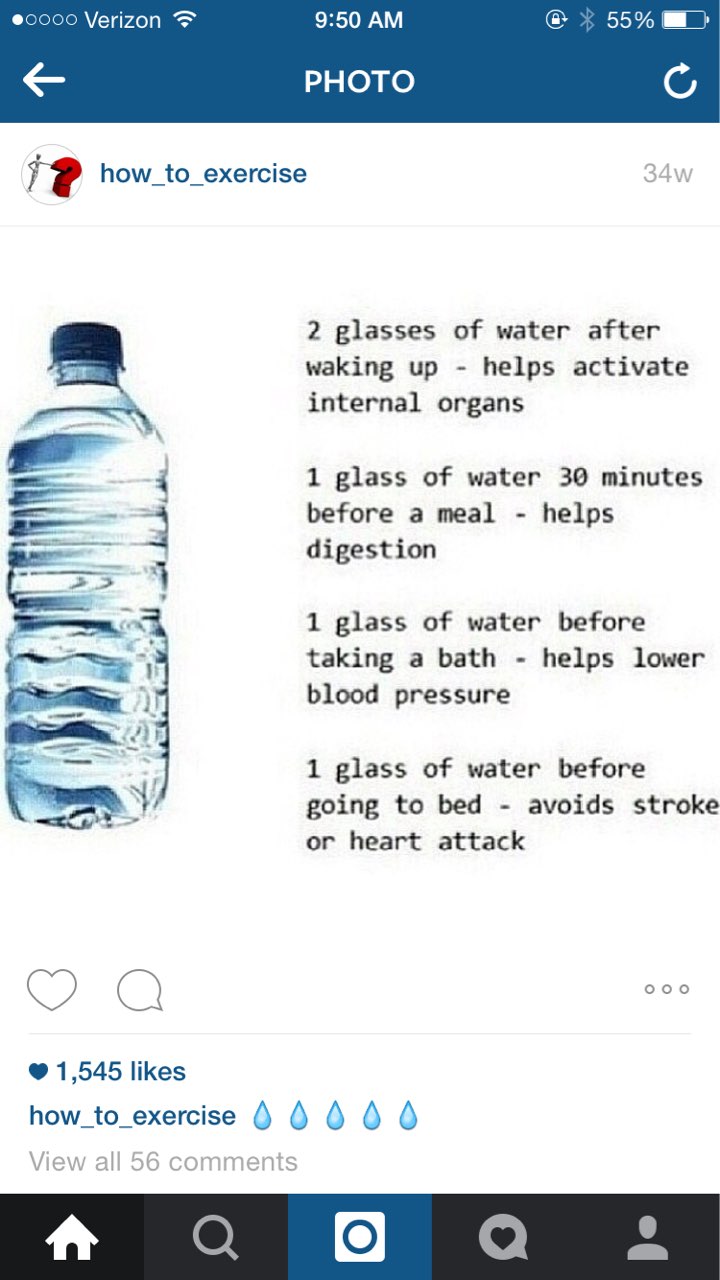
Water: Calories, Nutrition Analysis & More | Fooducate
SMALL Bottle LARGE Goals 💕 Hydrate 8 glasses of water with one bottle throughout the day with #hydro… | Water bottle with times, Small bottles, Gallon water bottle
Calculate How Many Bottles of Water You Need | H2O Coolers
How many water bottles equal 8 oz? - How To Discuss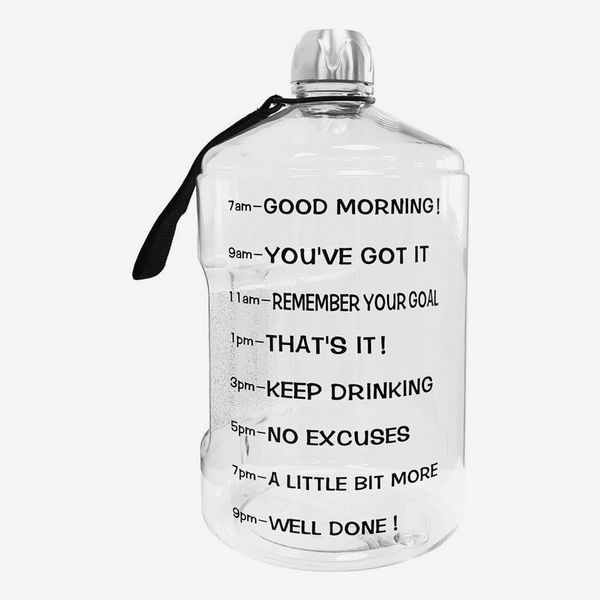
21 Best Water Bottles 2021 | The Strategist | New York Magazine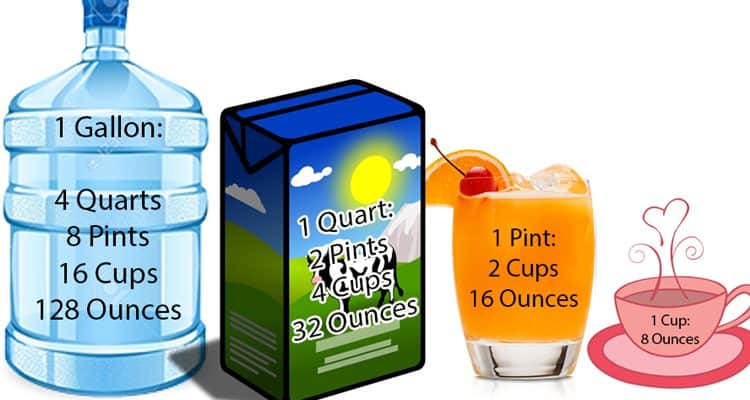
How many Ounces in a Gallon?
How many ounces are in a gallon? - Quora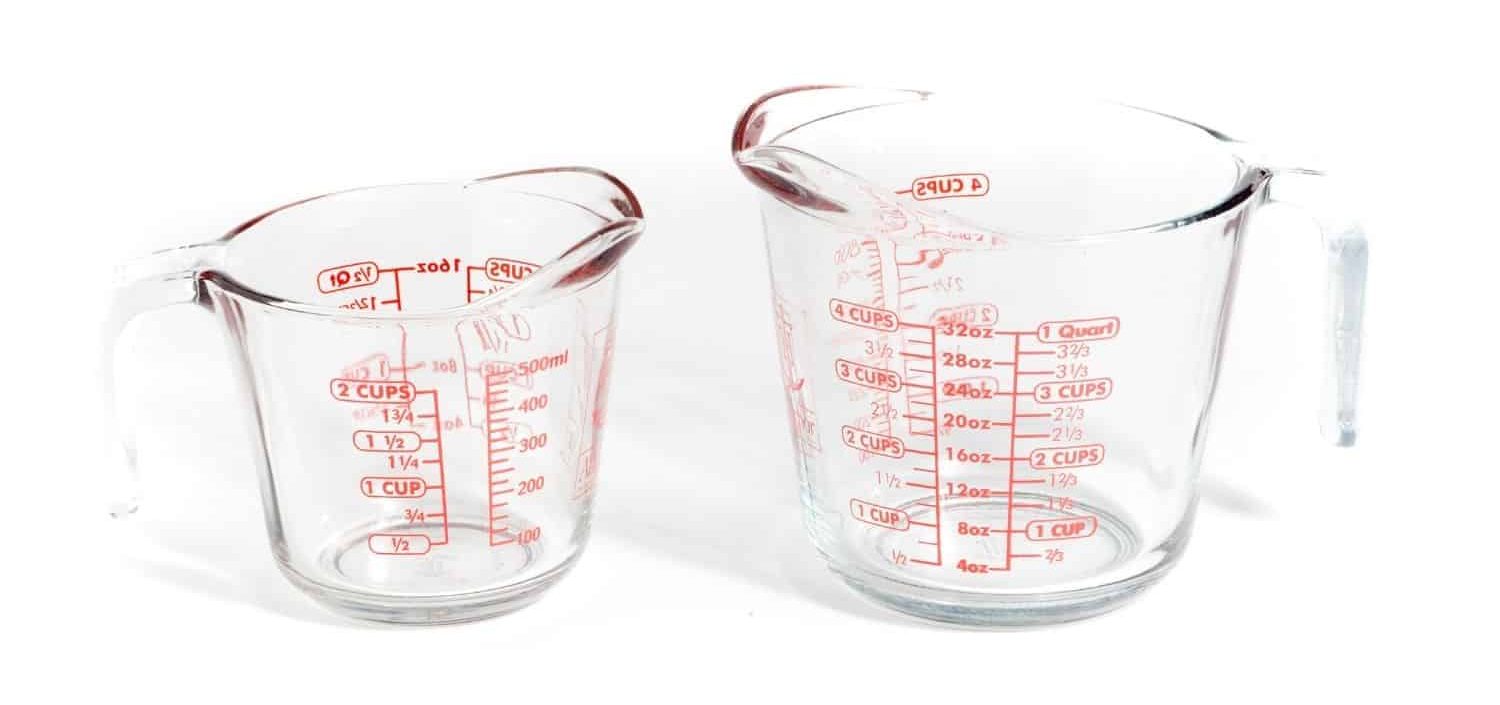
How Many Cups In A Quart, A Pint, Or A Gallon? - Chaotically Yours
Do You know! How Many Ounce in a Gallon? Find Out Answer
How Many Ounces In A Gallon? {Conversion Table & Converter}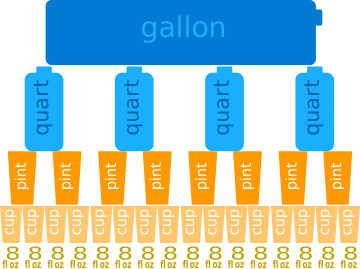
US Standard Volume
How Many Bottles of Water Equal a Gallon| Examples - What's Insight
How many water bottles equal 8 oz? - How To Discuss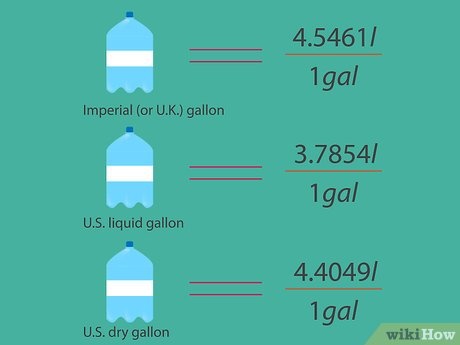
How many liters are in a gallon? - Quora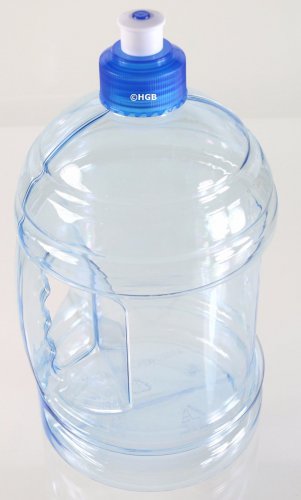
BPA Free Gym Water Bottle 74.4oz 2.2L Over Half Gallon Hold 8 Glasses Sports Cap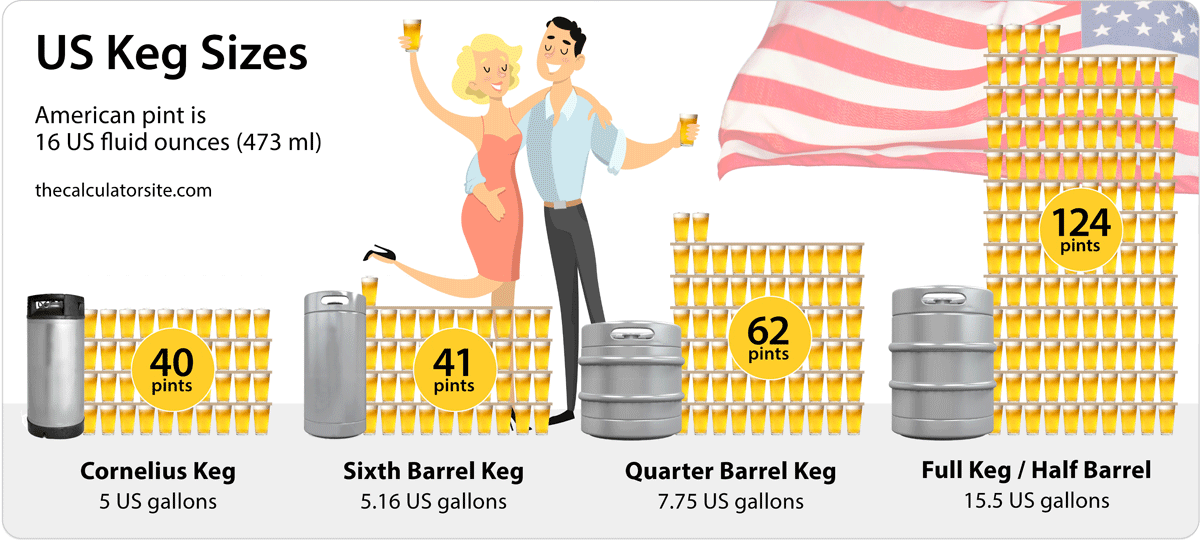
How Many Beers Are In a Keg?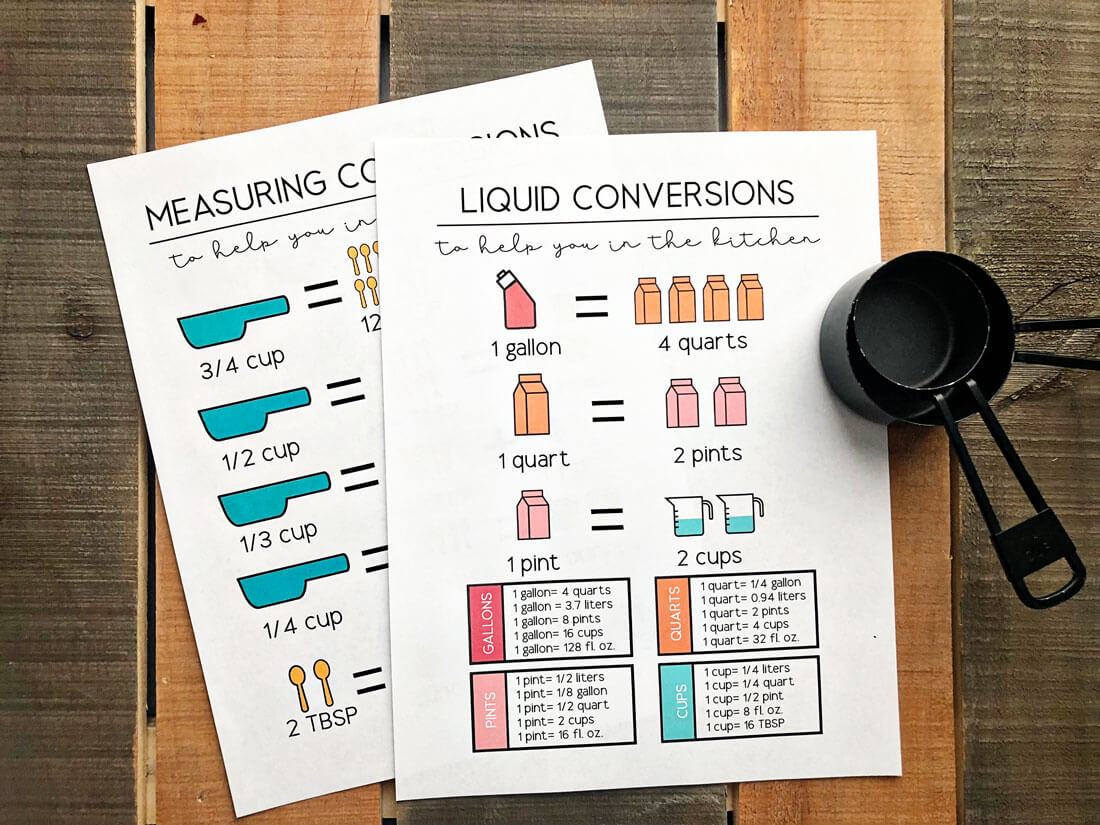
How Many Cups in a Quart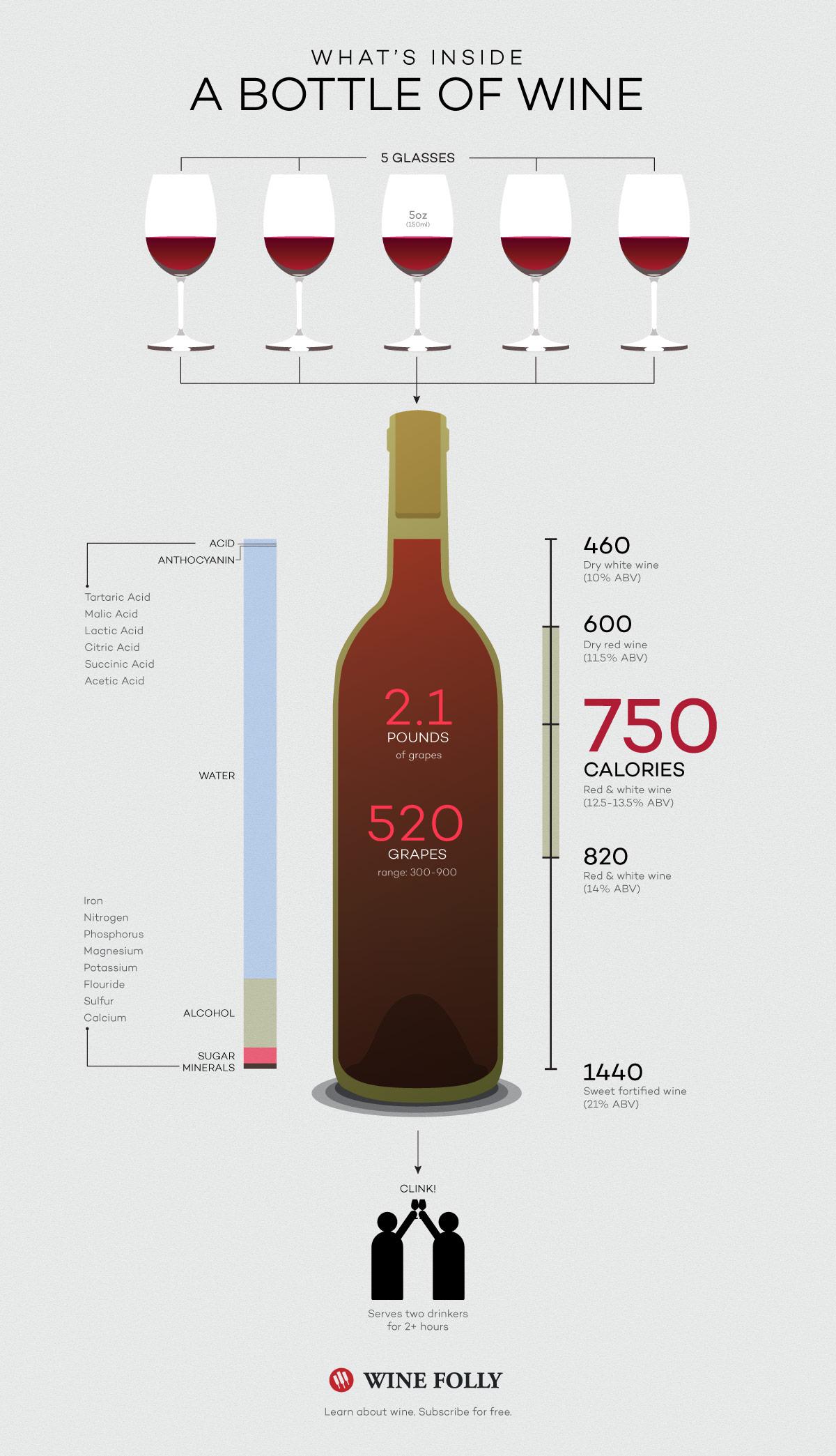
How Many Glasses in a Bottle of Wine | Wine Folly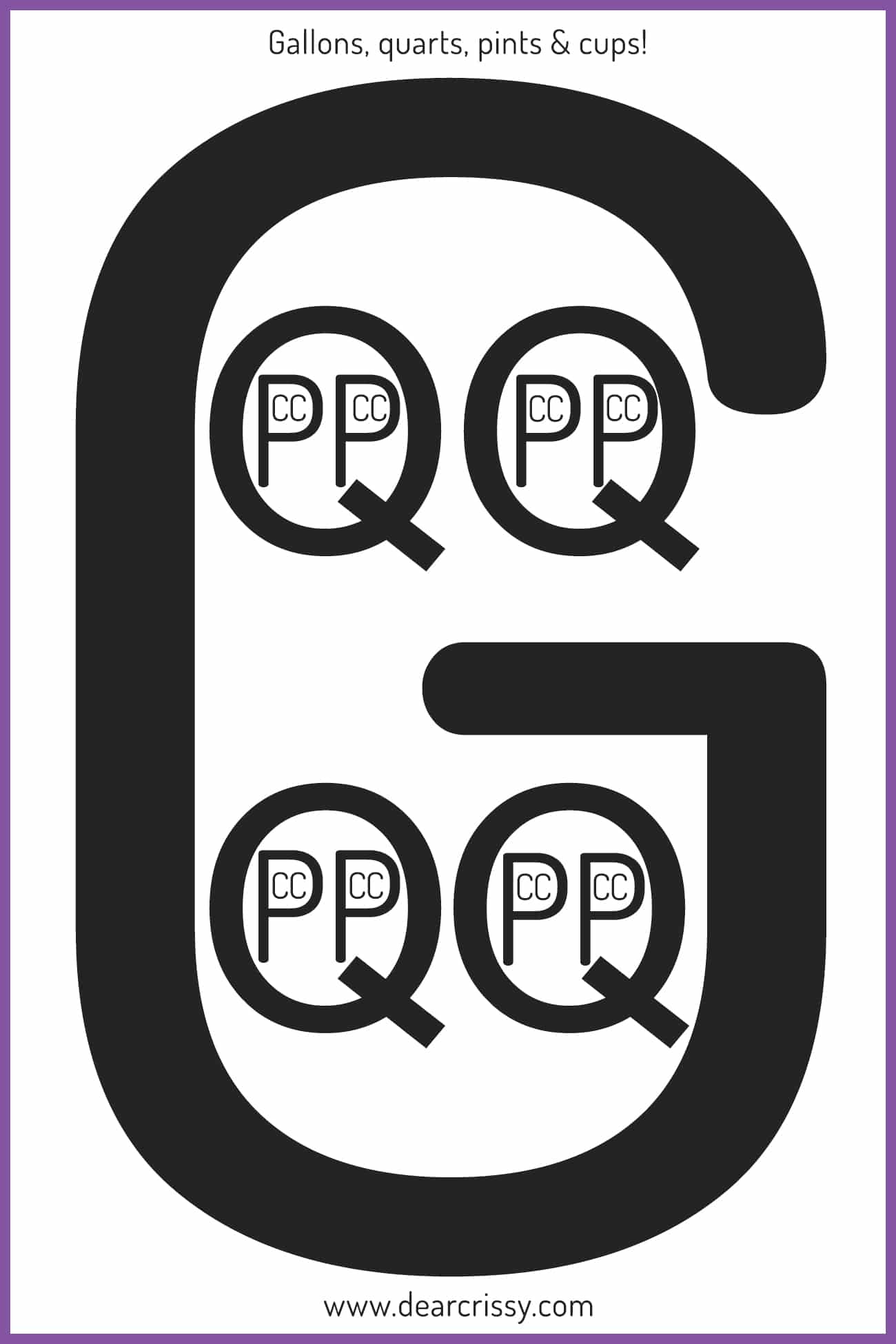
How Many Cups In A Quart, Pint, Gallon! (free printable chart!)
How Many Ounces in a Gallon?- Check here NonCount.com
How Many Oz In A Quart: Handy Guide For Precise Measuring - MerchDope
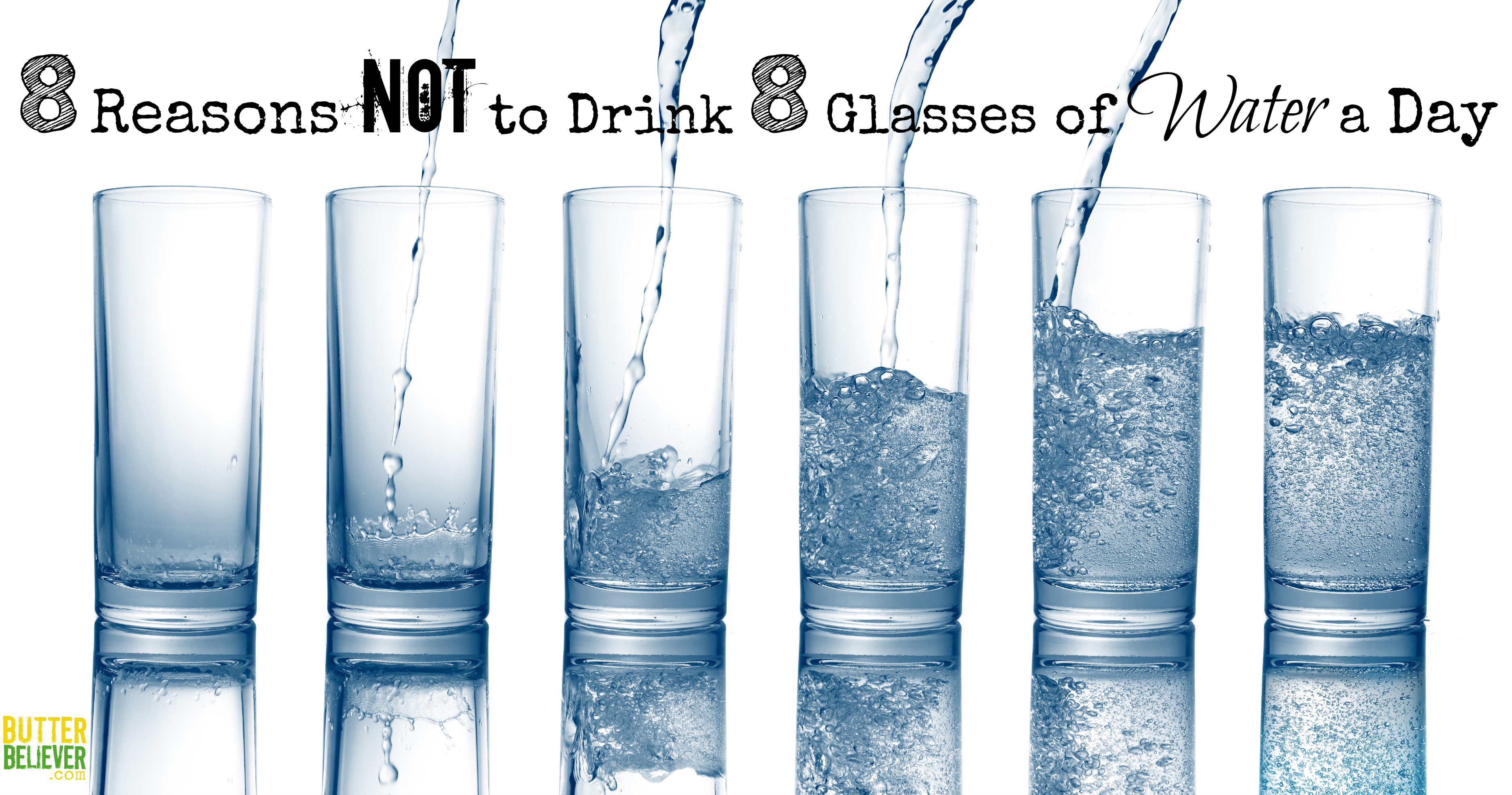
Posting Komentar untuk "how many glasses are in a gallon"