 Fluttering in the ear: Causes, symptoms, and treatment
Muscle disorders of the middle ear: presentation, diagnosis and management By Manohar Bance Patients often have symptoms related to muscle disorders. Prof Bance gives us an overview of anatomy and function, as well as guides our diagnosis and management. The middle ear muscles (MEMs) are a mystery, both in their physiological function in man, and in particular in their physiophysiophysiologic contributions to symptoms when they malfunction. While the contracts in response to (e.g. audiometric statistical reflections) responds fairly slowly to the impulse, and it has also been shown to respond to vocalization [1]. The stapedius muscle is supplied by the facial nerve. The tensor timpaní (TT) is supplied by the Vth nerve, as part of a system that also internalizes the veli tensor palatal palatial palatial palatial palatial palatial palatial palatial muscles that open the Euustachian tube. In fact, TT is physically connected to the TVP muscle, and it can be difficult to separate if the original pathology is on the TVP or TT. The TT does not seem to respond to the sound in man, but it has been reported that it responds to facial strangulation, air puffs against the eyes, electrical stimulation of the tongue and swallowing (revised by Bance et al [2]), it can also be voluntarily hired by some people [3]. There are two types of complex symptoms that may arise from the muscle dysfunction of the middle ear; those of the dysfunction of the dynamic middle ear (i.e., repeated contractions, resulting in clicks or other sounds) and tonic contraction, leading to fixed changes in the length of the muscle and to a sustained attraction on the structures to which it unites. Dynamic contractions that present such as clicks, cracks or noises in the earThese have to be differentiated from the pulpit tinnitus, which is made relatively easily by asking the patient to hit the noise rate with his finger while taking the patient's pulse. Other rarer causes of noise in the ear are foreign bodies, such as hair in the eardrum, or even insects that move in the ear canal, evaluated by otocopy. The shackles/wheels/clics may arise from many areas of the body. An area is the euskera tube, and it is not rare for patients to have crackling with ingestion. This can be normal, or arise due to the enlarged adenoids that open the nasopharyngeal opening and hit the ET cushions, or the mucous membranes/mucous of the ET that separate and return together during the opening induced by the ingestion of the ET. This type of sounds can be very annoying for some patients, and can respond to the grommets, which can be tested with a miringotomy. On other occasions, there may be rhythmic sounds of clicks that arise from the contractions of the palatino muscles that open and close the ET, of pathologies such as myclonus palatal or tremor. This is associated with semi-rithmic palate movements, and should be investigated with brain resonance as some are caused by lesions in the dento-rubro-olivary tract, although most are idiopathic. Sometimes they can be helped with botox injections. Other causes of clicking are of the TMJ joint, with opening and closing of the mouth, derived from the degeneration of the joint disc, or articulation arthritis. Of true MEM contractions, some are caused by synthetic contractions of the stapedius muscle following a nervous facial paralysis. In this syndrome, the partial degeneration of the facial nerve results in the aberrant growth of nerve fibers, with some fibers that would have gone to the facial muscles scrutinizing the stapedius, causing staging contractions or heard as clicks or as hearing distortion with blinking or facial movements [4]. This can also occur with hemifacial spasm. In addition, forced closure of the eyes can cause TT contraction and sounds in the ear [5]. Many subjects may also voluntarily contract their middle muscles, in particular TT by farningal muscle contractions, although they do not realize that this is what they are doing [3]. More commonly, people have idiopathic contractions of the middle ear muscles. These may be of several types, but the most common thing is a paroxysmic fluttering sound in the ear, like a butterfly that loosens its wings. There is no concrete evidence for this, but it is often thought that this is from the Stapedius muscle. Other types are more irregular clicks and sounds. If the fibrooptic nasopharyngealoscopy is performed simultaneously, there are often co-contractions of the pharynal muscles and, if seen, it is more likely to indicate the TT contraction. It is not rare for both MEMs to co-contract, the author has seen this with endoscopy, although they are supplied by different nerves. "Of the true contractions of MEMs, some are caused by synkinetic contractions of the stapedius muscle following a facial nerve paralysis." In all of these types of clicks and cracks, the stethoscope tube must be placed in the auditory channel, and the sounds heard, while the patient draws the sound they hear to see if they are synchronized with the objective sounds. The patient's palate can also be palpated, while the sounds are tapped out, to see if there is co-contraction. Attempts to obtain MEM contractions can be made by strangling the face, closing the forced eyes or blowing the closed eyelids. Audiometric Diagnosis The main tools are the auscultation and long-term base typometry, that is, measuring acoustic impronance for many seconds, often using the decay configuration of reflections in the typometers with the sound set in contralateral and very low levels, and the non-positioned counter-lateral insertion phone. With this setting, you can see changes in the real time entry. It should be noted that vocalization can easily contaminate these findings, and audiologists should ask the patient to silently lift a finger when the sound is heard, and seek simultaneous changes in the traces. In the type of mioclonus, sadly the act of putting an earplug often abolishes it (in fact this can be used as therapy). We have demonstrated a method of distinguishing TT from the stapedial muscle [3]. Briefly, the change of immitance is greater for a TT contraction than a stapedial and, if repeated with positive pressure in the auditory channel, both responses become smaller but remain the same direction of deflection (i.e. both show a decrease in acoustic admission), but if the pressure of the auditory channel becomes negative, then the seasonal contraction continues to show a decrease of the adhesion, but now the negative pattern. Figure 1. Patterns long-awaited base typempanometry during the dynamic contraction of MEM (after Aron et al [3]). MEM tonic contractionsIf these tonic contractions exist at all is controversial. While dynamic contractions can be measured as a base change, the tonic contractions have to be inferred, as there is no change to measure. The range of typempanometric performances measured in the middle ear in normal subjects is large, and is dominated by the typempanee membrane instead of the mid-ear muscles. Therefore, it is difficult to say whether the performances observed in a person are due to hypercontracted MEMs or simply part of the normal range. "Tymppani Tensor Syndrome" was coined in the 1970s by Klockhoff [6], to describe fluctuations in the impedance of the middle ear, associated with aural fullness, disacusis, tinnitus, headaches and vertigo. These are non-specific symptoms, and may be associated with many conditions, such as Meniere's disease, myofascial TMJ syndromes and associated migraine vertigo. Since then, the TT has been blamed for all the pressure in the ear, the tinnitus, the distorted sound and the acute attacks of Meniere's disease [2]. We have also shown that TT's voluntary contraction can cause a small low-frequency conductive hearing loss, with a small drop in the bone conduction curve also, probably from the tinnitus ear during contraction [7]. Without any objective means of determining TT tonic contraction, this becomes something of a faith-based diagnosis, although it is possible that an ear may show signs of hypercontraction compared to the other side, if the thyme membrane is absolutely without any central or thympanosclerotic segments or other segments to explain this. There are no syndromes attributed to the tonic contraction of the stapedius muscle and, in fact, the stapedius does not remain engaged for a long time, even in response to intense sounds. Figure 2. Expected typempanometric results with TT contraction. Audiometric Diagnosis Of studies and studies of temporary bone in humans that can voluntarily contract their TT, we have found that the contraction of TT would result in very small static compliance, and a slight change of the typempanometric curve towards a negative pressure peak [2] (see Figure 2). If the symptoms are unilateral, and the ear in question has these findings, it may be reasonable to suspect the tonic TT contraction in this ear. ConclusionMEM disorders can be very difficult to diagnose. Symptoms overlap with a myriad of other causes of similar symptoms. Even when it is clear that an MEM disorder is present, it may be very difficult to attribute symptoms to one or another of the muscles, and they may also co-contrast. We describe audiometric and clinical findings based on the author's experience and research in this area, but particularly in the case of TT tonic contractions, this remains a mystery. It is also possible that some disorders, such as the acute attacks of Meniere's disease, are caused by short-term intermittent contractions of TT, but that are not usually recorded as findings are normal among attacks. References 1. Rainsbury JW, Aron M, Floyd D, Bance M. Vocalization-induced stapedius contraction. Otol Neurotol 2015;36(2):382-5. 2. Bance M, Makki FM, Garland P, et al. Effects of muscle contraction timpani tensor in the middle ear and markers of a hired muscle. Laryngoscope 2013;123(4):1021-7. 3. Aron M, Floyd D, Bance M. Eardrum voluntary movement: a marker for timpani tensor contraction? Otol Neurotol 2015;36(2):373-81. 4. Donne AJ, Homer JJ, Woodhead CJ. Synkinesis oculostapedial following Bell's palliative. J Laryngol Otol 2000;114(2):135-6. 5. Lee GH, Bae SC, Jin SG, et al. Myoclonus of the middle ear associated with forced closure of eyelids in children: diagnosis and outcome of treatment. Laryngoscope 2012;122(9):2071-5. 6. Klockhoff I. Fluctuation of impedance and a large-size Tympani syndrome. In: Proceedings of the 4th International Symposium on Acoustic Impedance Measures; Lisbon Nova University of Lisbon Ed Penha and Pizarro; 25-28 September 1979:69-76. 7. Wickens B, Floyd D, Bance M. Audiometric results with timpani contraction of voluntary tensor. J Otolaryngol Head Neck Surg 2017;46(1):2.Competitive Interest Statement: None declared. MBChB MSc FRCS FRCSC ABOto, University of Cambridge; Honorary Consultant, Cambridge University Hospitals Trust, UK.9 Gayfield Square, Edinburgh EH1 3NT, UK.Tel: +44 (0)131 557 4184 Pinpoint Scotland Ltd (Registered in Scotland No. SC068684)
VOLVER ORIVER (Myoclonus of the stapedius and tensor tympani tendon)The myoclonus stapedial tendon is a rare but treatable disease. Patients with myoclonus stage tendon experience a sound in the ear. This can happen in one or both ears. Patients generally describe the sensation as a butterfly applauding their wings or the sound of a very fast heartbeat. If fluttering becomes very fast, clicks can be mixed and sound like a machine-type quilting sound. It is important to distinguish the click and crunch that can be experienced in the most typical dysfunction of the euskera tube of fluttering that occurs in mioclonus. What causes myoclonus balde estapedial? Mioclonus state tendon may occur without a known cause. In some patients, you can start after a stressful period. Certain electrolyte disorders can cause mioclonus, such as some medications. Importantly, mioclonus can be an early sign of a larger neurological disease. For these reasons it is important for your doctor and otologist to evaluate you completely and download more serious causes. How is thispedial and tensor myoclonus diagnosed? The main tests include an audition test and a typempanogram, which measures the motion of your auditory drum. It is also important to visualize the auditory channel and the auditory drum with an otoscope or microscope to see if any motion can be detected. Your otologist may also need a CT scan if prepared for mioclonus. What are the mioclonus treatments? Some forms of mioclonus may be treated by addressing the actual disease that may be causing, such as stress, an electrolyte imbalance or a neurological problem. If surgery is needed, your otologist can offer you a procedure in which the tendon of the muscle is linked. Surgery for mioclonus is minimally invasive, and has a very high success rate. Contact OHNI Osborne Head " Neck InstituteNerve-Related Hearing Loss of AuditionConductive (Mechanical) Infection by the ear / Inflammation
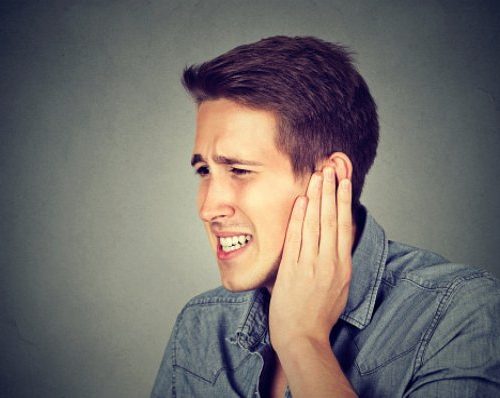
Fluttering in ear: Causes, symptoms, treatment and remedies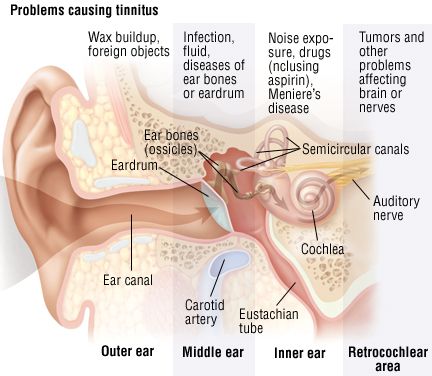
Fluttering In The Ear: Causes,Symptoms & Home Remedies
The association between tinnitus, the neck and TMJ - MSK Neurology
Ear Fluttering | Ear Doctor Los Angeles, CA Top Otology Specialist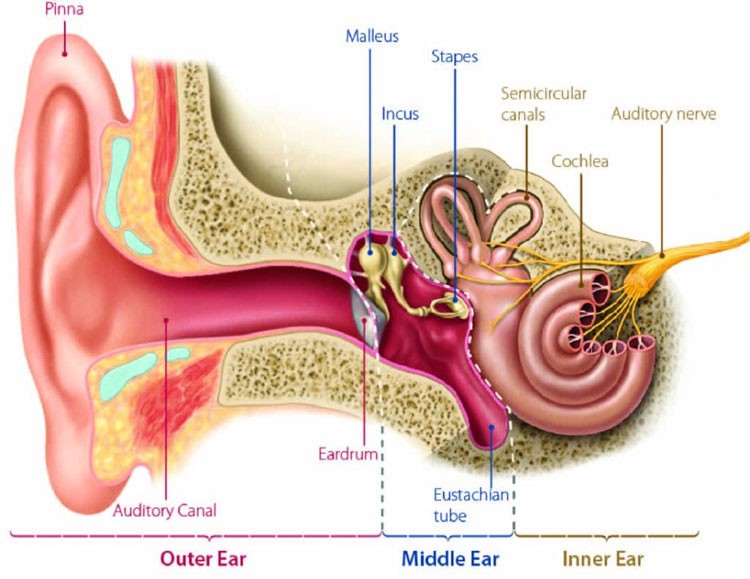
The association between tinnitus, the neck and TMJ - MSK Neurology
Fluttering in ear
Ear Noises Explained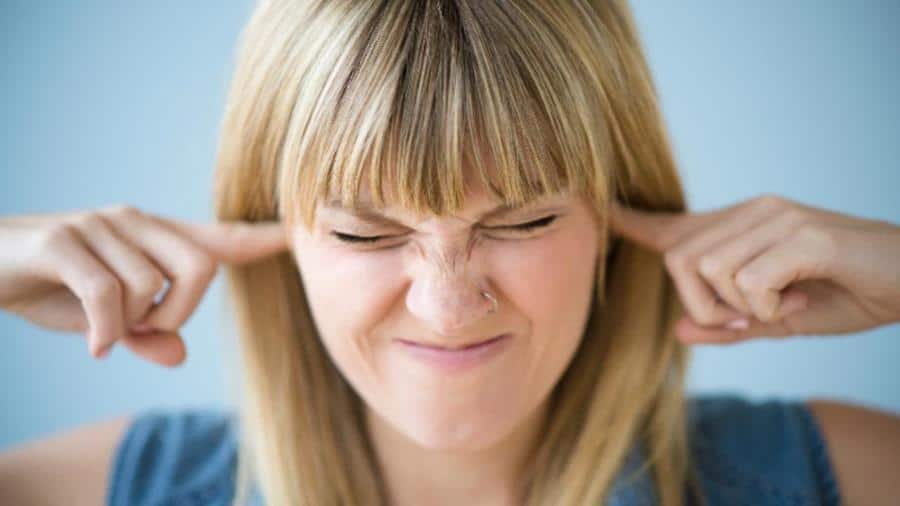
Fluttering In The Ear: Causes,Symptoms & Home Remedies
Eardrum Spasm: Symptoms and Causes
The association between tinnitus, the neck and TMJ - MSK Neurology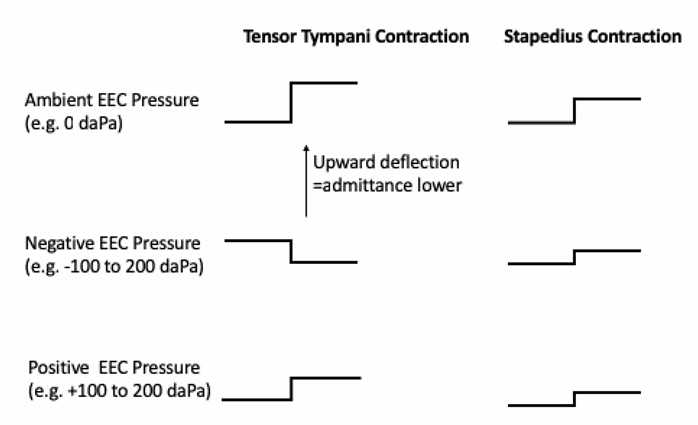
Middle ear muscle disorders: presentation, diagnosis and management | ENT & Audiology News
Ear twitch won't affect hearing
Cancer symptoms: Tinnitus and ringing in ears could be nose tumour sign | Express.co.uk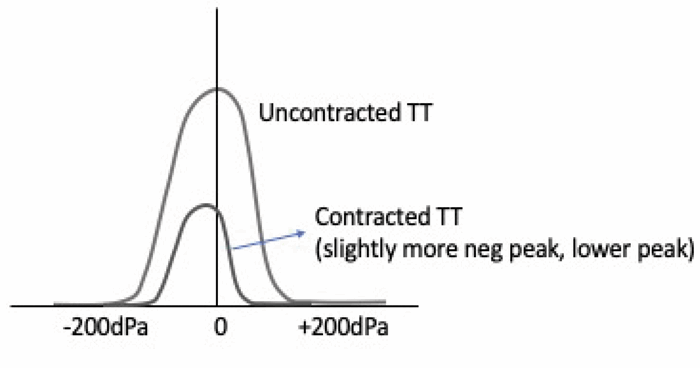
Middle ear muscle disorders: presentation, diagnosis and management | ENT & Audiology News
Hyperacusis: What causes sensitivity to sounds and how to treat it
Pulsatile Tinnitus: Stop Hearing Heartbeat, Fluttering Sound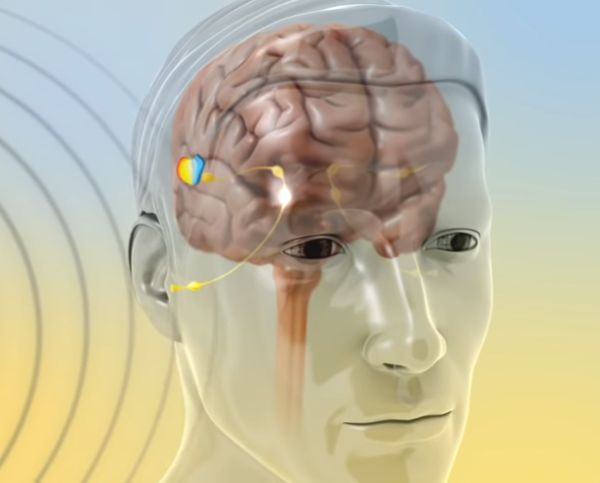
Fluttering in Ear: Causes, Symptoms and Treatments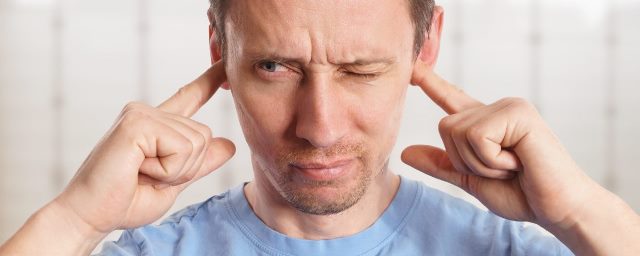
Fluttering In The Ear: Causes,Symptoms & Home Remedies
Facial Nerve Disorders * Michigan Ear Institute Farmington Hills, Dearborn, Royal Oak, Novi MI
Stapedius Muscle - an overview | ScienceDirect Topics
Eardrum Spasm: Symptoms and Causes
Blows to your head can damage your ears
Ear Noises Explained
You Asked: Why does my eyelid twitch at random times? - Vital Record
Popping, clicking or crackling in the ear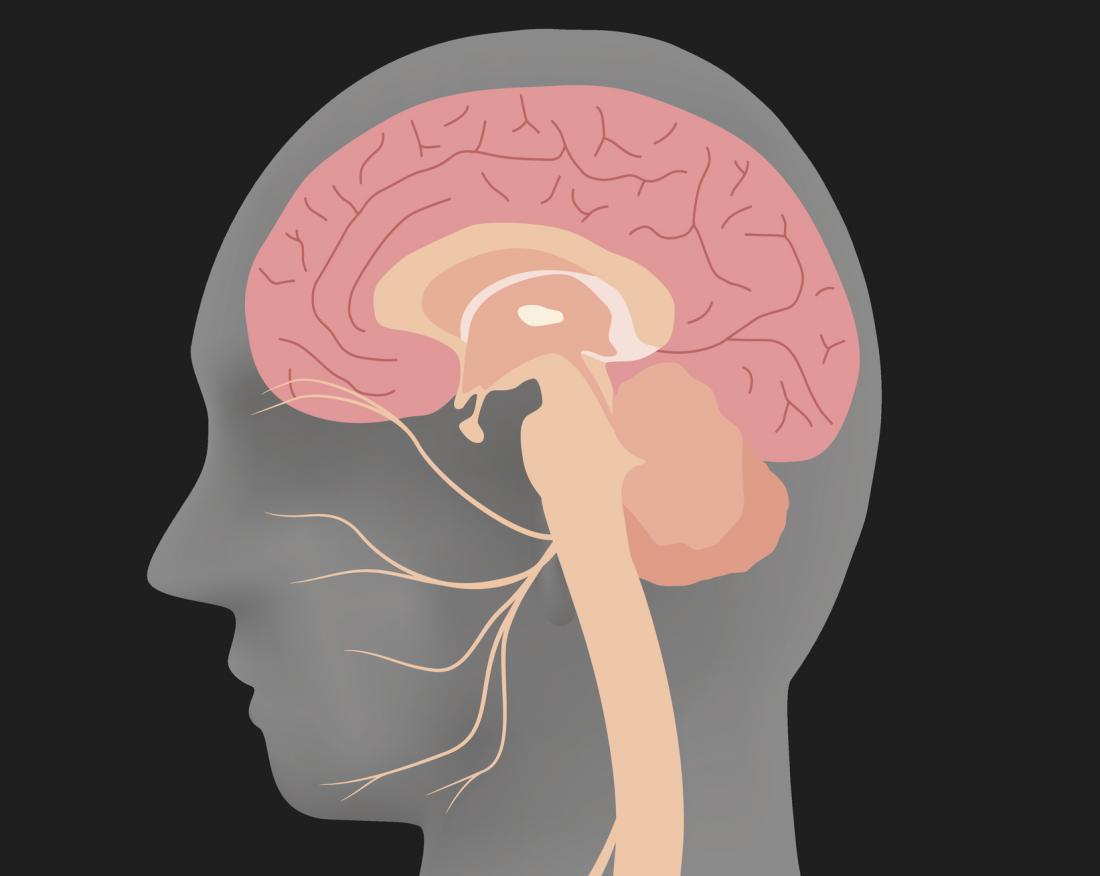
Hemifacial spasm: Types, symptoms, and causes
Tonic tensor tympani syndrome in tinnitus and hyperacusis patients: A multi-clinic prevalence study Westcott M, Sanchez TG, Diges I, Saba C, Dineen R, McNeill C, Chiam A, O'Keefe M, Sharples T -
Brain Tumor Symptoms
The association between tinnitus, the neck and TMJ - MSK Neurology
Middle Ear Myoclonus & Tinnitus | Arches Tinnitus Formula | Natural Treatment for Tinnitus
Jackson Ear Clinic
Fluttering in Ear: Causes, Symptoms and Treatments
Tensor Tympani Spasm - YouTube
Muscle Cramping in Horses - Musculoskeletal System - Veterinary Manual
Fluttering Ear Drum | Tinnitus Talk Support Forum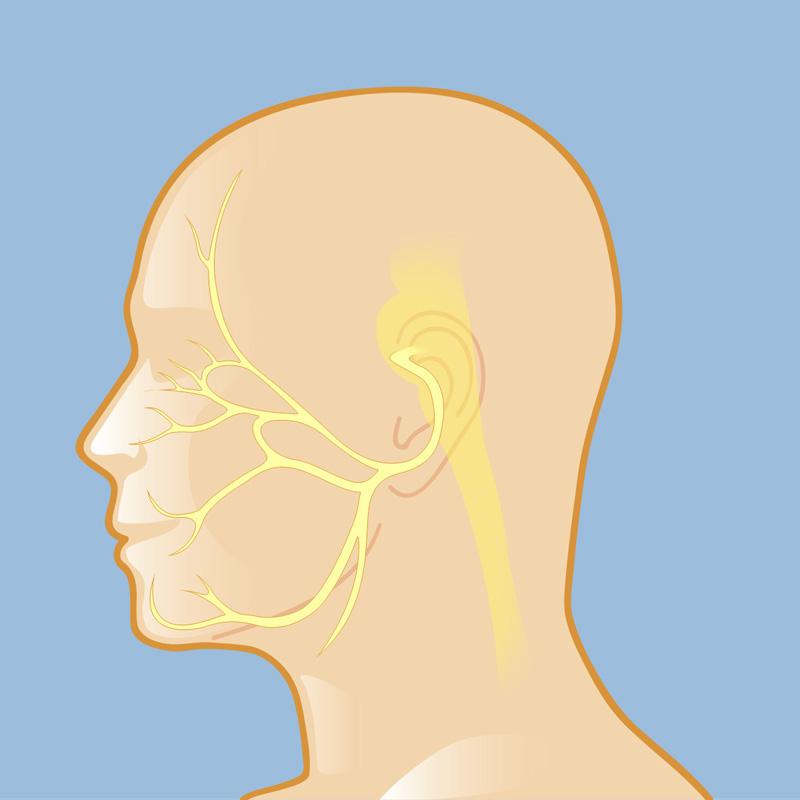
Hemifacial Spasm | Weill Cornell Brain and Spine Center
5 Homeopathic Remedies For Tinnitus Relief That Can Work Wonders | DrHomeo
What IsTinnitus? Causes, Treatment, Test & Symptoms
Hemifacial Spasm - Brain, Spinal Cord, and Nerve Disorders - MSD Manual Consumer Version
Middle ear muscle disorders: presentation, diagnosis and management | ENT & Audiology News


Posting Komentar untuk "intermittent fluttering in ear"