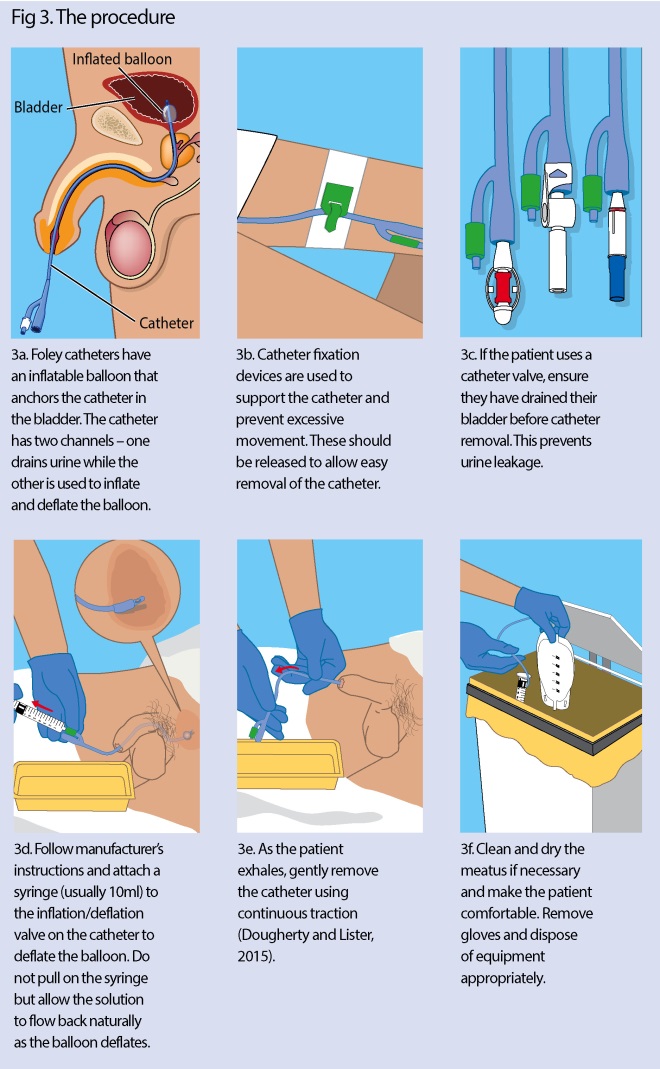
 Urinary catheters 6: removing an indwelling urinary catheter | Nursing Times
Main navigation Share More than half of hospitalized patients experience complications Infections are just a problem related to urinary catheterization. A new study finds that other problems may occur, including pain and affected sexual function. A new study puts large-scale evidence behind what many hospital patients already know: Having a urinary catheter can help empty the bladder, but it can also be painful, leading to urinary tract infections and causing other problems in the hospital and beyond. LISTEN UP: Add the new to your enabled device for Alexa, or subscribe to our daily audio updates on , and . More than half of the patients in catheterized hospital experienced a complication, according to deep interviews and graphic reviews of more than 2,000 patients. The results are published in .Although many patients' safety experts have focused on UTIs that can be derived from urinary in-house catheters, also called Foley catheters, that risk is five times less common than non-infectious problems, the study found. These problems include pain, bloody urine, and activity restrictions while the catheter was still in; urinating problems and sexual function may occur after the device was removed. "Our findings underline the importance of avoiding a urinary catheter of dwelling unless absolutely necessary and eliminating it as soon as possible," he says, the main author of the new study. He is also head of medicine at the VA Ann Arbor Healthcare System, George Dock's internal medicine professor at the University of Michigan and director of the U-M/VA. Pain, catheter use infection For the new study, Saint and his U-M colleagues, Ann Arbor VA and two Texas hospitals analyzed data from 2,076 patients who had recently had a catheter placed for short-term use. Most of them received the catheter because they were operating. The team returned to each patient twice—two weeks and one month after their catheter placement, respectively—and asked about their catheter-related experiences. Because two of the hospitals in the study are Veterans' Hospitals, nearly three quarters of the patients were men. The catheter was removed within three days of insertion for 76 percent of patients. In total, 57 percent of patients said they had experienced at least one complication. The main findings include: Infections were reported by more than 10 percent of patients. These include both formal diagnoses and consistent symptoms with one that required the care of the doctor. At least one non-infectious complication was reported by 55% of patients. Not many patients said that the injured catheter entered, although most were having an operation and were not awake when the catheter was placed. But 31 percent of those whose catheter had already been eliminated at the time of the first interview said it hurt or caused bleeding coming out. More than half of those interviewed while still having a catheter said they were causing pain or discomfort. One in four patients said the catheter had caused them to experience bladder spasms or a sense of urgency to urinate; 10 percent said they had taken blood in their urine. Among those interviewed while there was still a catheter, almost 40% said it restricted their daily activities, and 44% said it restricted their social activities. Among those who had already eliminated their catheter, about 20 percent said they had experienced urine leaks or difficulty starting or stopping urination. Nearly 5 percent said he had caused sexual problems. Improve the catheter experienceStart, a long-time champion of efforts to measure and prevent infections associated with the catheter, plans to do new research on the topic. "While due attention has been paid to the infectious damages of the Uretral Dwelling catheters in recent decades, we have recently appreciated the magnitude of the non-infectious damage caused by these devices," he says. It is also important to improve the supervision of catheter patients and more educational efforts. "Within our findings, we believe it is important to develop strategies to improve the follow-up of non-infectious uretral catheter complications and to prepare patients to treat these types of problems, especially after leaving the hospital," says Ann Arbor VA and U-M. Saint, Krein and co-authors John Colozzi, Karen Fowler and David Ratz are members of the Clinical Research Centre Saint, Krein and co-author John Hollingsworth, M.D., of the U-M Department of Urology, are all members of the U-M Institute of Health Policy and Innovation. Other newspaper co-authors include Barbara Trautner, M.D., Ph.D. and Erica Lescinskas, M.D., from Baylor College of Medicine. RELATED ARTICLES Quick menu Get health tips, inspiring stories and more on our well-powered sister blog. Michigan Health Laboratory Tweets Follow usRead more MHealth Lab About:© Copyright 2021 University of Michigan Regents. NEWS: Except where otherwise noted, all articles are published under a Creative Commons Attribution 3.0 license. You are free to copy, distribute, adapt, transmit or make commercial use of this work as long as you attribute Michigan Medicine as the original creator and include a link to this article.
Silence Silence viv , Removing catheter, urine Elimination of oral catheters Possible symptoms after the removal of a catheter: Burning your child may complain of a slight burning sensation when urinating after the catheter is removed. This is normal. If the burning sensation continues for more than one day, call your child's health care provider. Urination You can see a small amount of pink urine the first time your child urinates after the catheter is removed. This is a small amount of blood in the urine. It may be a bit difficult for your child to urinate the first time he or she tries after the catheter is eliminated. If your child has problems, try to put it in a warm water tub to urinate. The water level in the bathtub should be enough to cover your child's genitals. Important: Never leave a small child in the bathtub alone. Encourage your child to increase your fluid intake (e.g. water or apple juice) to help urinate. This will help dilute the urine and decrease the amount of discomfort. Stay away from pop or citrus soda juices. If you can't urinate after four to six hours, call your child's health care provider. Swelling If your child's lower belly is swollen or complains of pain in the belly after the removal of the catheter, call your child's health care provider. Reason It is possible that after the removal of the catheter your child will experience some discomfort. Tell your doctor, nurse or technician if there is significant or prolonged pain to be evaluated. Fever, stomach pain, back pain, or smelling urine may be signs of a urinary tract infection. Tell your child's primary care doctor this. Call your child's doctor if:Last update 09/2018 For more information or an appointment, please contact the Urology Division. Conditions " TreatmentsConnect with us Quick links Explore About us 3333 Burnet Avenue, Cincinnati, Ohio 45229-3026 © 1999-2021 Centro Médico del Hospital Infantil de Cincinnati. All rights reserved.

Urinary Catheter FAQs: What is a Urinary Catheter? Catheter Care, Prostate Cancer - UCLA
Urinary catheters 6: removing an indwelling urinary catheter | Nursing Times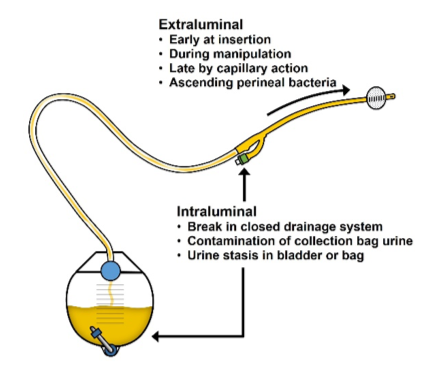
Complications
Foley Catheter Removal
More Than Half of Catheterized Hospital Patients Experience Complications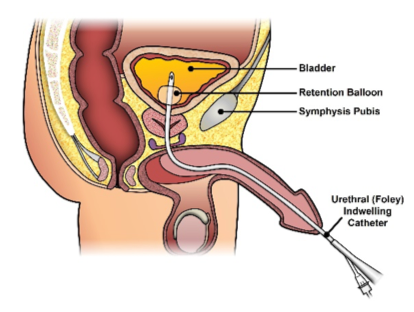
Indwelling Catheter Definition & Types
Urinary catheters 6: removing an indwelling urinary catheter | Nursing Times
Deflation of a Foley catheter balloon
Urinary Catheter FAQs: What is a Urinary Catheter? Catheter Care, Prostate Cancer - UCLA
Bladder Function Recovery | Woman's Hospital | Baton Rouge, LA
Urinary catheters 6: removing an indwelling urinary catheter | Nursing Times:max_bytes(150000):strip_icc()/what-to-do-if-you-cant-urinate-after-surgery-3157318_2-5b95d9a346e0fb0050c9411c.png "What to Do If You Can't Urinate After Surgery")
What to Do If You Can't Urinate After Surgery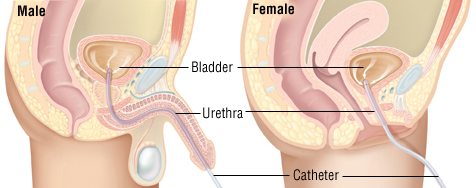
Urinary Catheterization - Harvard Health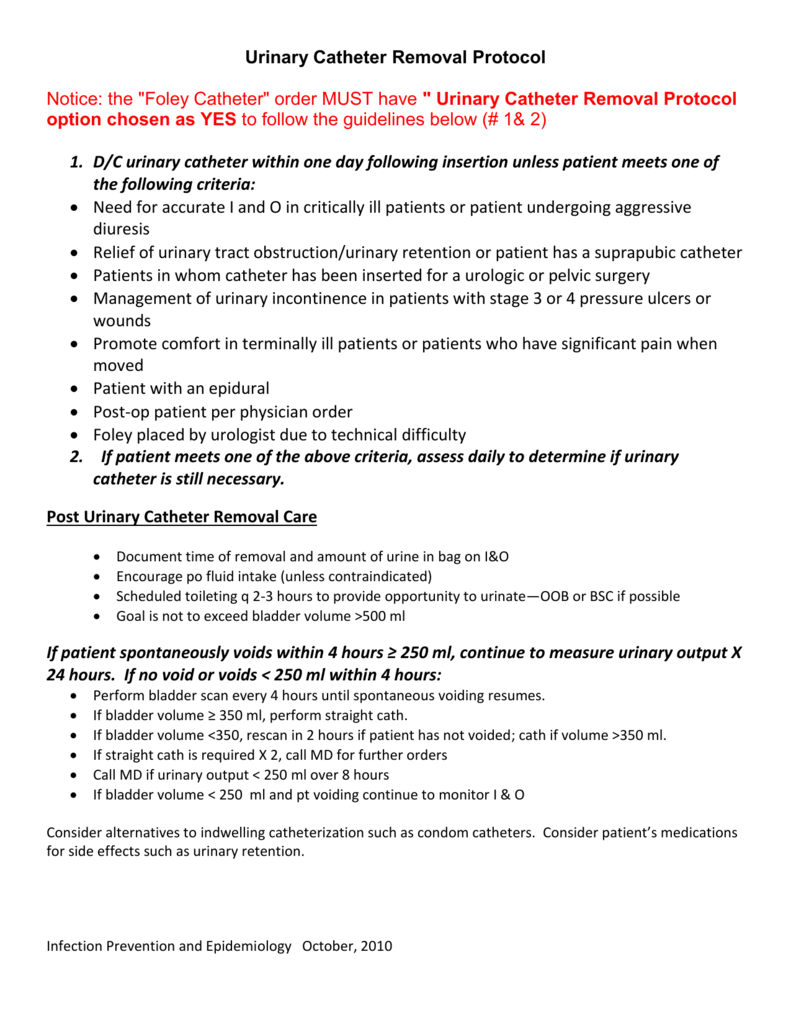
Urinary Catheter Removal Protocol (draft)
Foley catheter - Wikipedia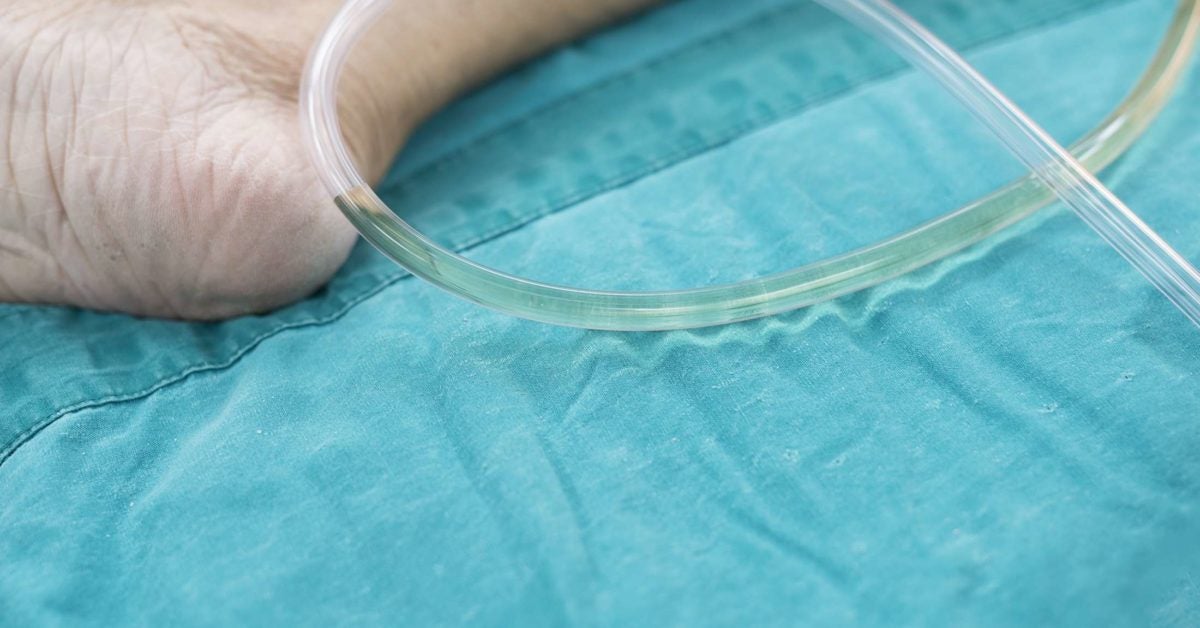
Urinary catheter: Uses, types, and what to expect
Troubleshooting for your catheter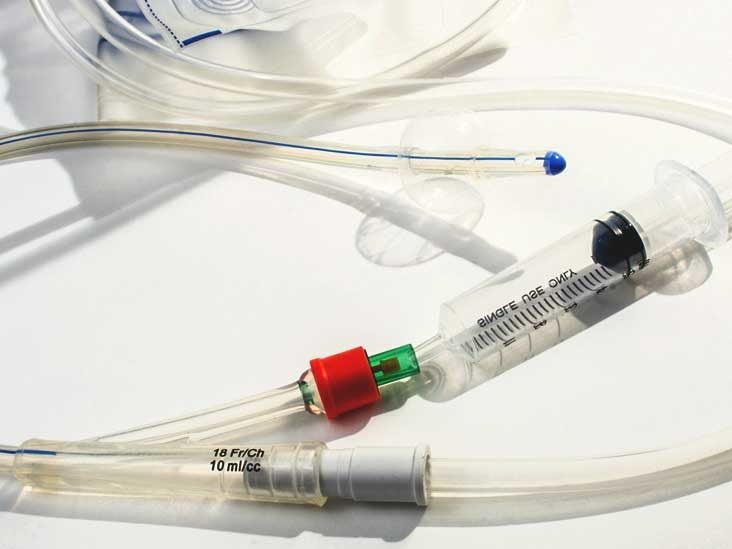
Urinary Catheters: Uses, Types, and Complications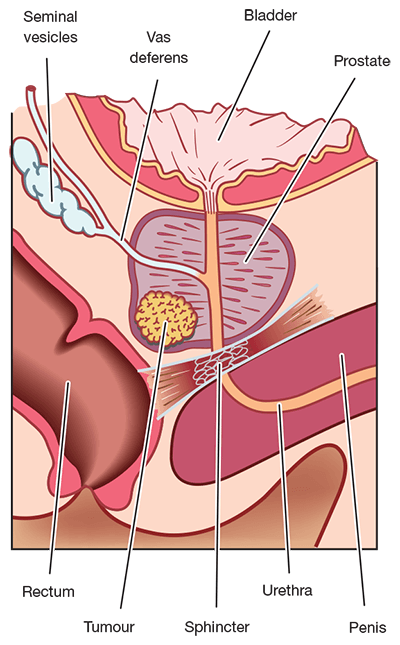
Understanding Urinary Problems | PCFA
3 Ways to Remove a Urinary Catheter - wikiHow
Patient Resource Publishing : Advanced Prostate Surgery ::.
What Is Foley Catheter Used For? Procedure, Complications & Risks/cystogram-uses-side-effects-procedure-results-4173214_FINAL-5bc3fa5e46e0fb0026725079.png "What to Expect During a Cystogram")
What to Expect During a Cystogram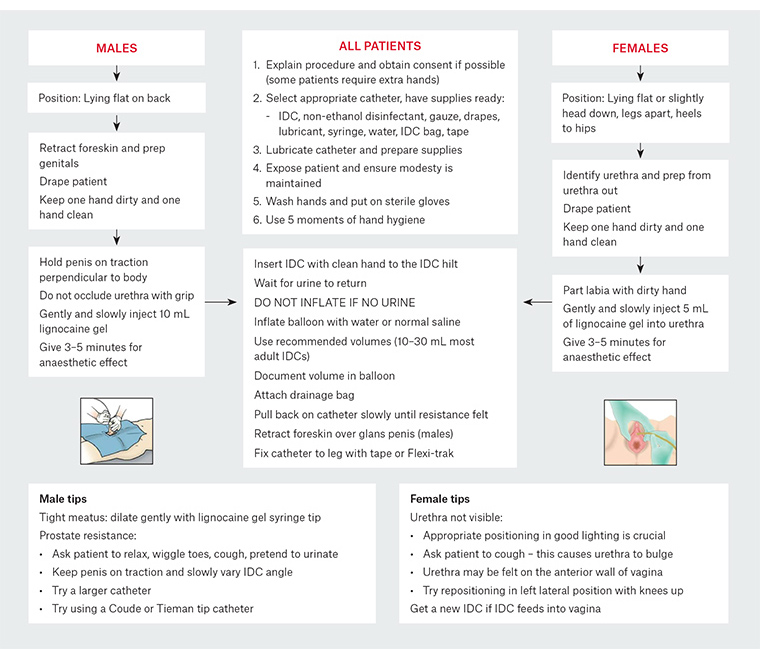
RACGP - Ins and outs of urinary catheters
Urinary catheters 4: teaching intermittent self-catheterisation | Nursing Times
Condom Catheters: How to Use, What to Know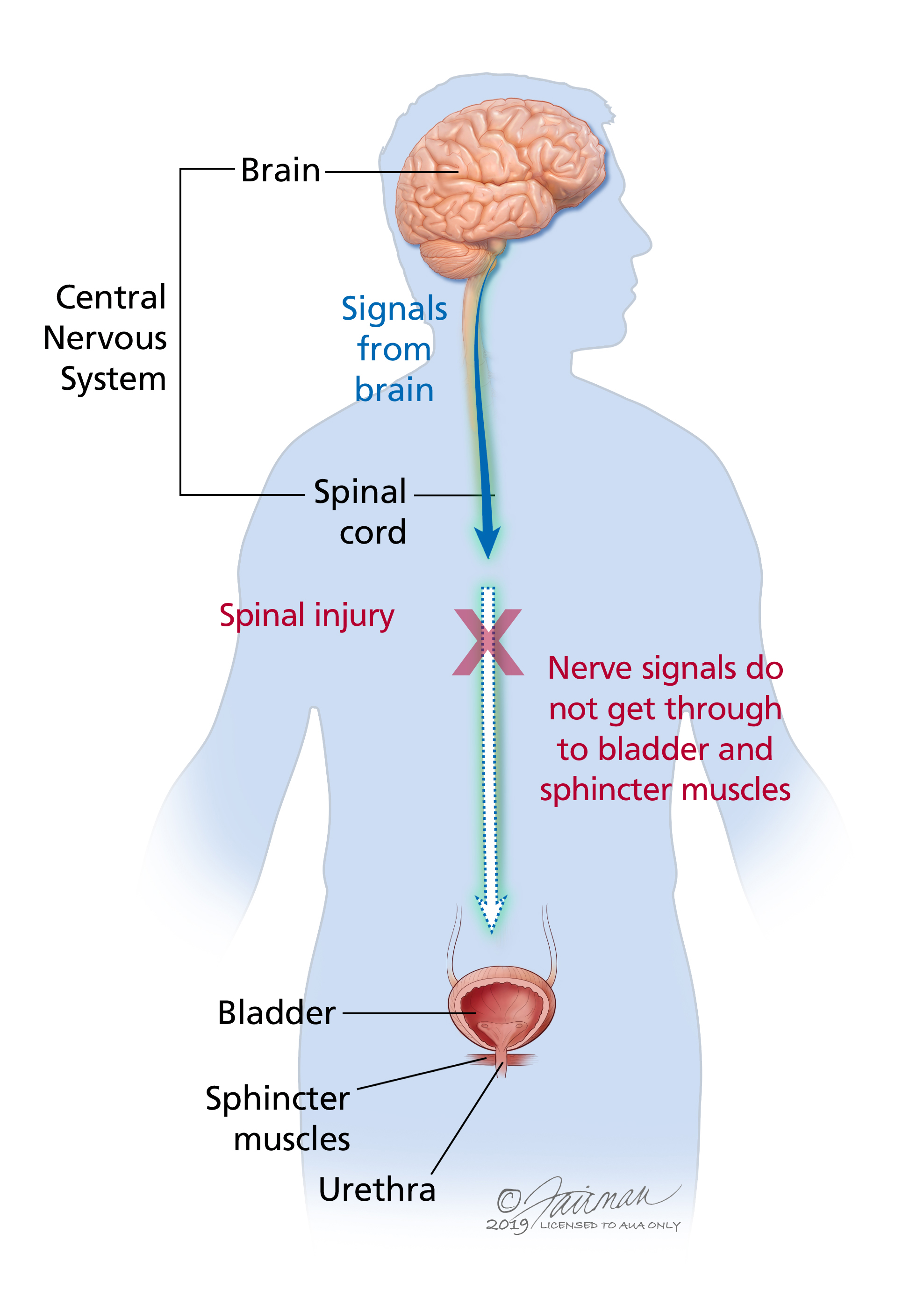
Neurogenic Bladder: Symptoms, Diagnosis & Treatment - Urology Care Foundation
Michigan Appropriate Perioperative (MAP) criteria for urinary catheter use in common general and orthopaedic surgeries: results
Infectious and non-infectious urinary catheter complications. CAUTI,... | Download Scientific Diagram/GettyImages-453885149-1cee51d638db4f93ae69933d389bffc6.jpg "Urinary Catheters Explained")
Urinary Catheters Explained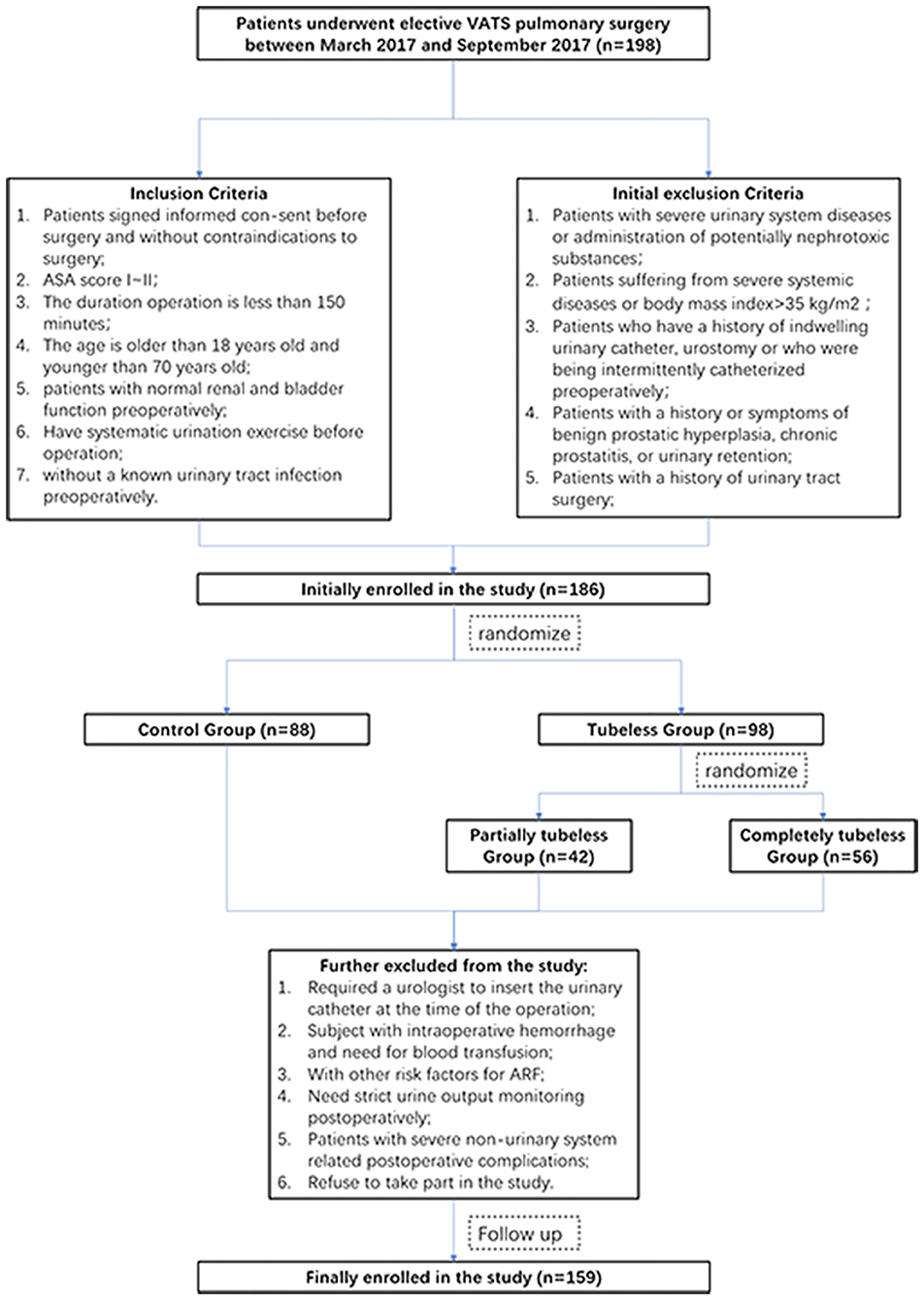
Frontiers | A Novel Tubeless Urinary Catheter Protocol Enhanced Recovery After Minimally Invasive Lung Surgery | Surgery
Is Bladder Training by Clamping Before Removal Necessary for Short-Term Indwelling Urinary Catheter Inpatient? A Systematic Review and Meta-analysis - ScienceDirect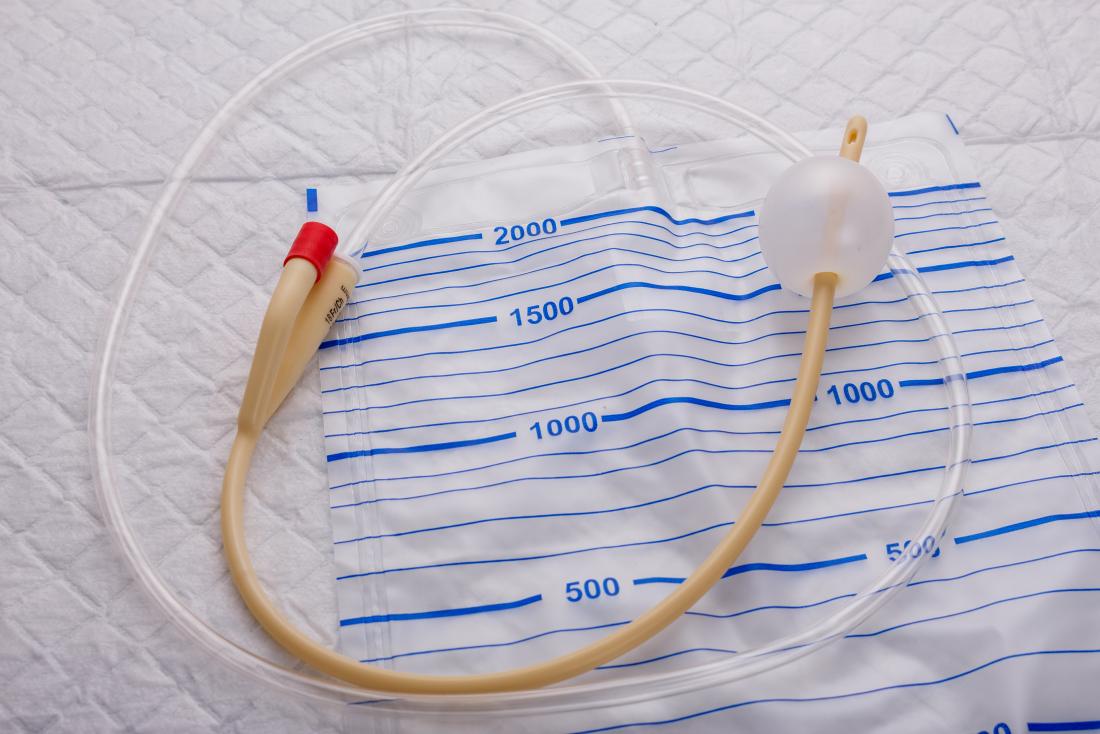
Urinary catheter: Uses, types, and what to expect
PDF) A prospective randomized trial to compare side effects of early versus late removal of Foley's catheter and vaginal pack following vaginal hysterectomy
Foley catheter - Wikipedia
Urinary Catheters: Uses, Types, and Complications
Indwelling urinary catheter use and associated outcomes among adult patients undergoing surgery Joselyne Mukantwari1*, Lilian Om
Urinary Tract Infection (UTI) in the Catheterized Patient - Infectious Disease Advisor
Deflation of a Foley catheter balloon
Risk factors for reinsertion of urinary catheter after early removal in thoracic surgical patients

Posting Komentar untuk "urinary catheter side effects after removal"